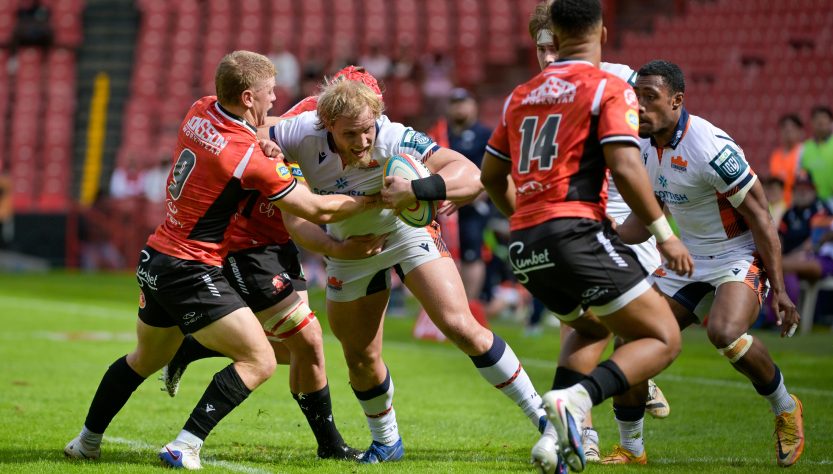
The Six Nations have returned, bringing the reputation of rugby union as an elitist sport back under examination.
In 2024, around 240,000 people participated in rugby across England, according to Statista, highlighting increased engagement at grassroots level.
Despite the increase, 36% of elite UK players are privately educated, according to the Sutton Trust; this number rises to just over 50% of elite players based in England and this highlights the ongoing lack of access to the top tier of rugby union.
Haileybury player Reuben Gillam, 18, said: “Unlike football, rugby is a private school dominated sport. It’s now more widespread, but it still has that reputation.”
Historically, the development of rugby union within private schools meant better facilities, scouting networks and more high-profile fixtures.
Professional academies take from these schools, with training programmes being more advanced than in state schools.
The lack of state school representation in rugby is further apparent when considering only 7% of the UK population who are privately educated, resulting in pay to play players being five times more likely to reach the top level.
“Grassroots rugby is welcoming to anyone that wants to play, it doesn’t matter what background you’re from, but yes being privately educated gives you access to less advertised opportunities,” adds Gillam.
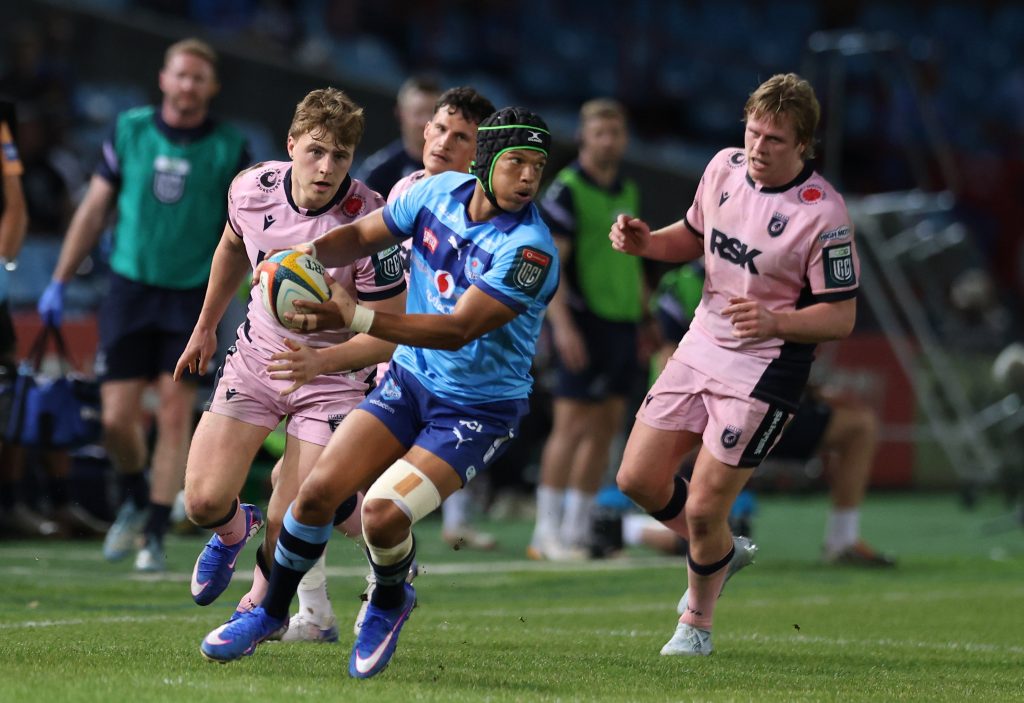
A recent RFU survey found that 57% of those involved rugby agree it is representative of their local community, but only 31% feel it represents the broader population, highlighting a gap between local experience and national perception.
University rugby union, which represents 31% of people who play in the UK, provides proof that players from state schools can reach high levels, such as England captain Maro Itoje, who earned a scholarship at Harrow.
British Universities and College Sports (BUCS) rugby gives opportunities to grow, including at Kingston, who were undefeated divisional champions in 23/24.
Kingston Alumni and former Kingston player Eman said: “The game has opened over the past 10 years from being an elite sport, my background never stopped me competing, Kingston was a good place to develop.”
BUCS rugby provides players with facilities, training plans and professional scouts, opportunities once only open to private school players.
As participation rises and the RFU seeks to revitalise the game, the debate over accessibility continues to resurface at a time where rugby seems vulnerable.
On competitive sport, perception affects who chooses to play and if rugby union continues to be viewed as exclusive, it limits growth at a time where new life needs to be breathed into the game.
Concerns about safety also add to the stereotype, where awareness about concussion protocol starts from secondary school.
Eman hopes that rugby can continue to: “broaden its horizons,” stating that he wants rugby players and fans to have a similar allegiance to football.
